British Firm Expresses Interest in Pakistan’s Power Transmission Sector
September 18, 2026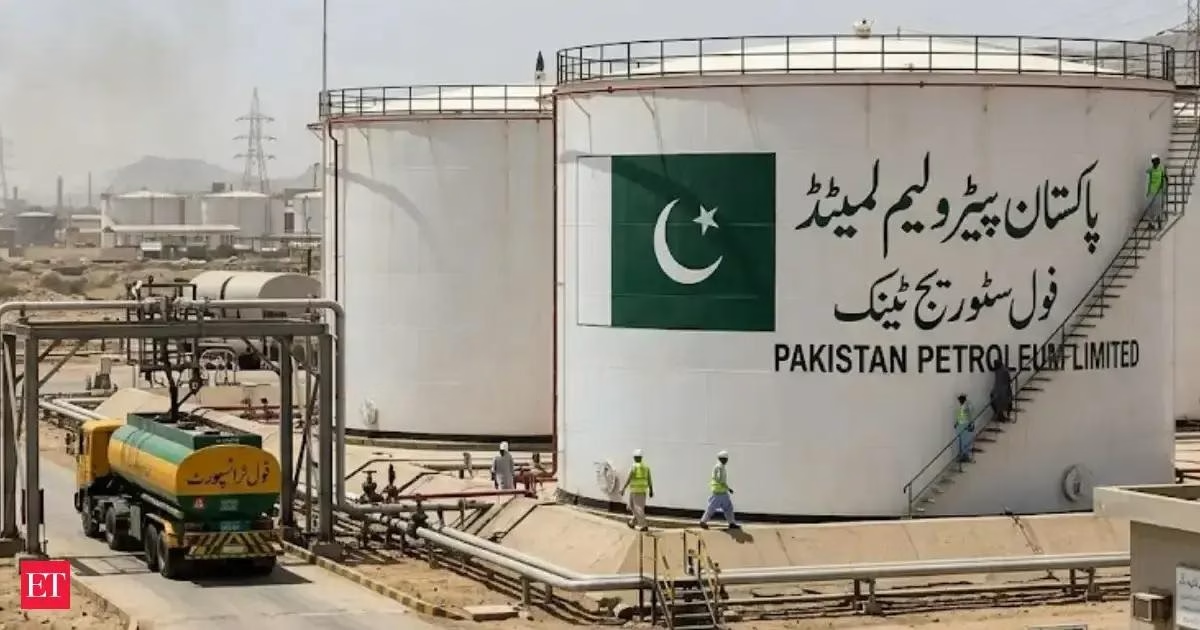
Pakistan has unveiled a series of austerity measures aimed at conserving fuel and limiting government spending as escalating conflict in the Gulf places renewed pressure on global energy markets and the country’s oil imports. The government announced the measures in response to rising international fuel prices and concerns over potential disruptions to energy supplies passing through key maritime trade routes.
The austerity package includes a 50% reduction in fuel allocations for official government vehicles, a suspension on the purchase of new government vehicles, restrictions on foreign travel by public officials, and limits on official events and hospitality expenses. Authorities have also ordered government meetings to be held virtually where possible to reduce transportation-related fuel consumption.
To further curb energy use, commercial establishments have been directed to close earlier, with shops required to shut by 9 p.m., wedding halls by 10 p.m., and restaurants by 11 p.m., while essential services remain exempt. The government believes these measures will help reduce national fuel demand during a period of heightened uncertainty in international energy markets.
Pakistan relies heavily on imported petroleum products, making it particularly vulnerable to geopolitical instability in the Middle East. Continued tensions affecting major oil shipping routes have pushed global crude prices higher, increasing import costs and adding pressure to the country’s already fragile economy. The government has stated that the conservation measures are temporary and are intended to protect fuel reserves while maintaining economic stability.